
Call us now :08045813362
 Send Inquiry
 Send Inquiry
Blasting Grit
Price 68 INR/ Kilograms
MOQ : 250 Kilograms
Blasting Grit Specification
- Diameter
- Grit size: 0.1 mm - 2.0 mm (various grades available)
- Hardness
- Mohs 6.5-9 (depends on grit type)
- Product Form
- Granules / Particles
- Coating Type
- Uncoated
- Material Composition %
- Al2O3 up to 95% (if aluminum oxide grit), SiO2 up to 98% (if silica grit), Fe2O3, CaO traces
- Size
- Grit size: #16 to #120
- Heat Resistance
- Yes
- Recyclable
- Yes, can be reused multiple cycles depending on application
- Corrosion Resistant
- Yes (inert material, resists atmospheric corrosion)
- Product Name
- Blasting Grit
- Steel Type
- Not applicable - Non-metallic grit
- Grade
- Industrial
- Thickness
- Particle/granule based - not applicable as sheet/plate
- Shape
- Angular/Granular
- Surface
- Rough, granular
- Composition
- Aluminum Oxide/Silica/Garnet (Depending on supplied variant)
- Application
- Abrasive blasting, surface cleaning, rust removal, paint removal, surface preparation for coating or painting
- Dimension (L*W*H)
- Varies as per particle size (grit/granule form)
- Weight
- 50 kg bag or as per requirement
- Color
- Dark grey/Black
- Material Grade
- Abrasive grade
- Finish Type
- Matte / Roughened after blasting
- Usage
- Sandblasting, surface etching, cleaning, paint removal
- Packaging Type
- HDPE/Polypropylene bags
- Melting Point
- >1200C (Aluminum oxide)
- Maximum Operating Temperature
- ~1200C
- Shelf Life
- Indefinite (when stored dry)
- Toxicity
- Non-toxic under normal use
- Bulk Density
- 1.5-2.2 g/cm3 (varies by grit type)
- pH
- Neutral (pH 7)
- Moisture Content
- <1% (dry product)
- Solubility
- Insoluble in water
Blasting Grit Trade Information
- Minimum Order Quantity
- 250 Kilograms
- Payment Terms
- Telegraphic Transfer (T/T), Cash in Advance (CID), Cheque
- Supply Ability
- 100 Kilograms Per Week
- Delivery Time
- 3 Months
- Sample Available
- Yes
- Sample Policy
- Within a certain price range free samples are available
- Packaging Details
- PP Bgas
- Main Domestic Market
- All India
About Blasting Grit
Blasting Grit finds application for smoothing a surface by forcing a stream of abrasive under high pressure. It is made of high grade cast iron and assures excellent performance. This grit is highly appreciated for having the ability to remove all kinds of surface contaminants in hassle-free manner. One of the main applications of Blasting Grit is to prepare any surface before welding for ensuring strong joint between the surfaces. It can easily remove scale, rust, paint, & sand.
Features:
- Free from any impurities
- Excellent performance
- Suitable for most metal surfaces
Highly Durable & Versatile Abrasive Grit
Our blasting grit is available in various formulations such as aluminum oxide, silica, or garnet, each chosen for their resilience and compatibility with demanding industrial applications. Its granular or angular ball shape ensures consistent cutting power and uniform surface texture, making it an ideal abrasive media for cleaning, etching, or prepping surfaces prior to coating.
Safe, Non-Toxic, and Environmentally Reusable
The product's inert nature and non-toxic composition make it safe for operators and suitable for diverse work environments. With a neutral pH and moisture content under 1%, it poses minimal risk during storage or handling, and its high recyclability allows for repeated use, cutting down on operational costs.
FAQ's of Blasting Grit:
Q: How is blasting grit commonly used in industrial applications?
A: Blasting grit is primarily employed for abrasive blasting to remove surface contaminants, rust, and old paint from metal, concrete, and other robust materials. It also serves to roughen surfaces for optimal coating or painting adhesion.Q: What types of blasting grit are available and what are their principal benefits?
A: Available varieties include aluminum oxide, silica, and garnet. Aluminum oxide offers high hardness and reusability, silica is cost-effective with efficient cleaning properties, and garnet provides environmentally-friendly, low-dust performance. All variants are corrosion-resistant and stable at high temperatures.Q: When should I select a particular grit size or type for blasting?
A: Choose grit size (#16 to #120) based on the desired surface profile and material sensitivity; coarser grits are best for aggressive cleaning, while finer sizes yield smoother finishes. The type-aluminum oxide, silica, or garnet-should be matched to the substrate and application requirements.Q: Where can blasting grit be stored and how long does it last?
A: Blasting grit should be stored in dry, sealed HDPE or polypropylene bags. When kept free from moisture, it offers an indefinite shelf life, making it highly reliable for bulk storage and long-term projects.Q: What is the process for reusing blasting grit, and how many times can it be recycled?
A: After use, spent grit is collected, sieved, and cleaned to remove dust or debris. Depending on the application and substrate, it can be reused multiple cycles-typically until the material degrades or loses angularity.Q: What are the advantages of using granular, non-metallic blasting grit compared to steel or sheet abrasives?
A: Granular non-metallic grits reduce the risk of embedding foreign metals into surfaces, resist corrosion, and provide uniform, matte finishes. They are lighter, often safer to handle, and adapt to a wider variety of materials and shapes.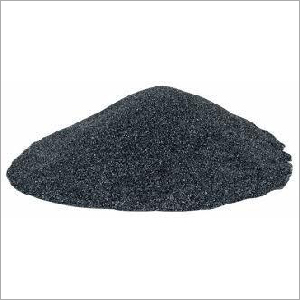
Tell us about your requirement

Price:
Quantity
Select Unit
- 50
- 100
- 200
- 250
- 500
- 1000+
Additional detail
Mobile number
Email

More Products in Cast Iron Grits Category
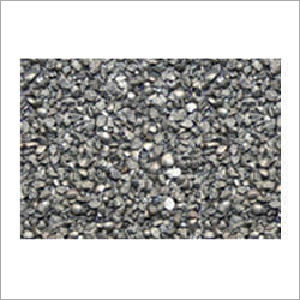
Cast Iron Grit
Price 68 INR / Kilograms
Minimum Order Quantity : 250 Kilograms
Application : Other, Abrasive blasting, surface preparation, cleaning, descaling, stone cutting, and etching
Product Name : Other, Cast Iron Grit
Weight : Varies as per packaging, typically 25 kg or 50 kg bags
Steel Type : Other, Cast Iron

G24 Cast Iron Grit
Price 68 INR / Kilograms
Minimum Order Quantity : 250 Kilograms
Application : Other, Surface preparation for metal, stone, and concrete; blasting for cleaning, etching, and surface profiling
Product Name : Other, G24 Cast Iron Grit
Weight : Bulk supply in 25 kg, 50 kg, or 1000 kg jumbo bags
Steel Type : Other, Cast Iron
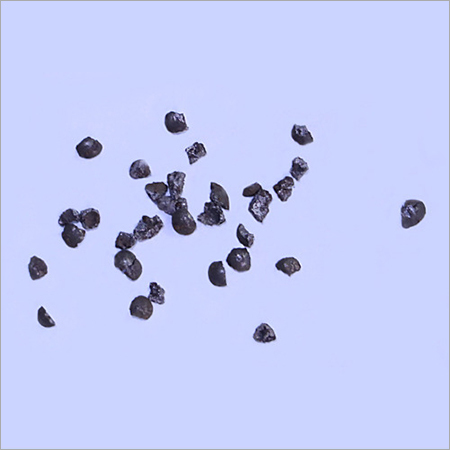
Industrial Cast Iron Grit
Price 68 INR / Kilograms
Minimum Order Quantity : 250 Kilograms
Application : Other, Abrasive blasting, surface preparation, cleaning of metal surfaces
Product Name : Other, Industrial Cast Iron Grit
Weight : Variable
Steel Type : Other, Cast Iron
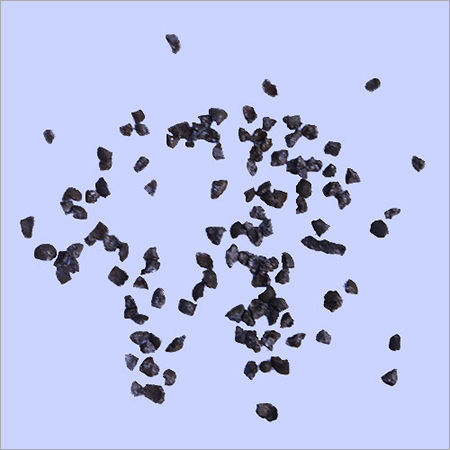
G39 Cast Iron Grit
Price 68 INR / Kilograms
Minimum Order Quantity : 250 Kilograms
Application : Other, Surface preparation, cleaning, descaling, and shot blasting of steel surfaces
Product Name : Other, G39 Cast Iron Grit
Weight : Depends on packaging, typically 25kg or 50kg bags
Steel Type : Other, Cast Iron

"We are accepting local inquiries mostly from Maharashtra, Goa, Tamil Nadu, Gujarat, Karnataka"
 Send Inquiry
Our Products

2/1506, Challenger Towers Thakur Village, Kandivali East, Mumbai - 400101, Maharashtra, India

Mr. Amit Jindal
(Proprietor)
Mobile :08045813362
 Send Inquiry
 Send SMS
Developed and Managed by Infocom Network Private Limited.
